
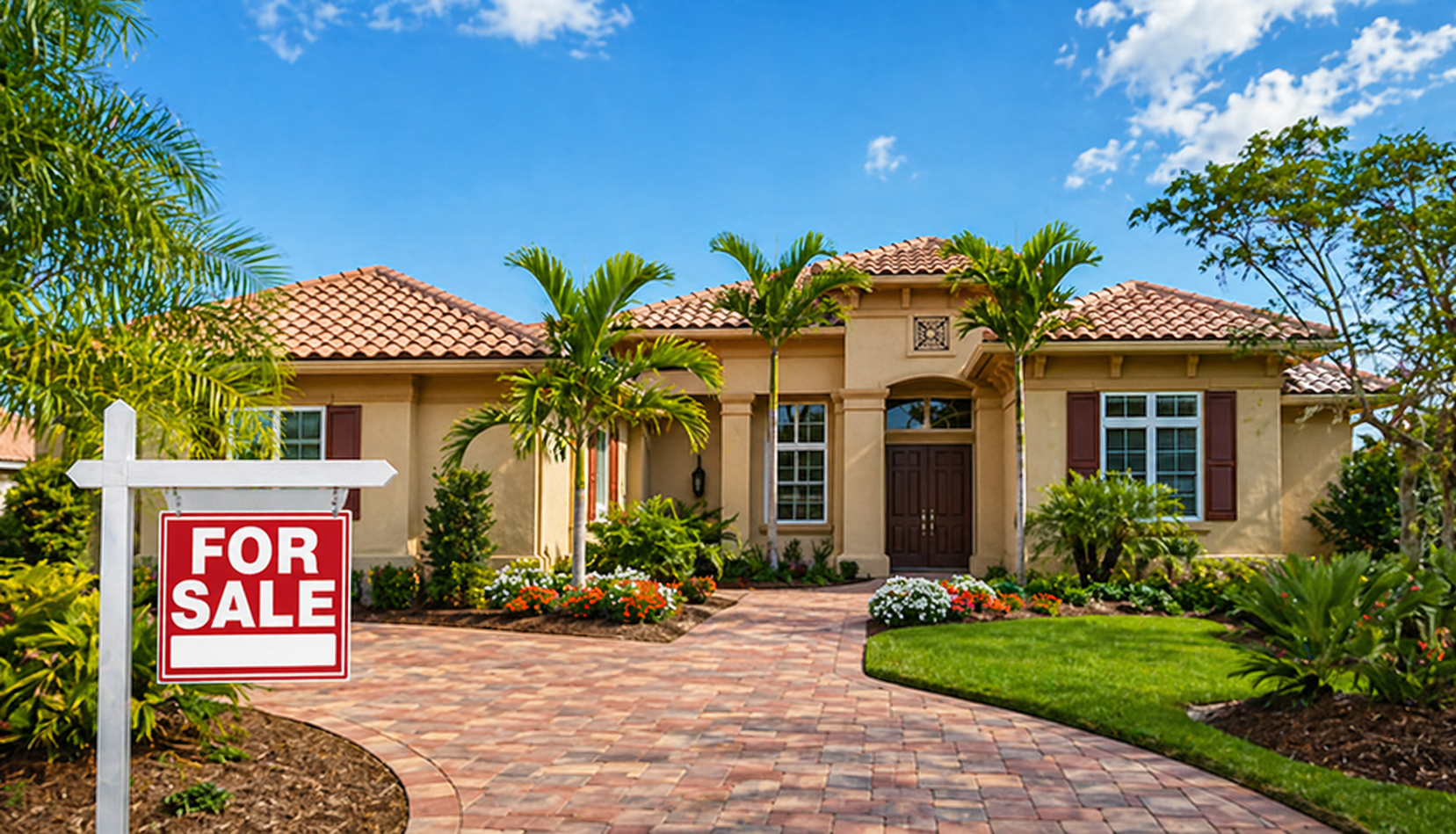
In 2026, the market is more balanced, but still competitive. Selling a home in Florida today is very different from a few years ago.
In many prime South Florida areas, median single-family home prices are around $1.2 million. At the same time, inventory is slowly stabilizing after years of ups and downs.
This means one thing for sellers. You need a clear plan from the moment you decide to sell until the day you close.
At The Homeowner’s Agent, the focus is on education. When you understand each step, you can make smarter decisions and protect your financial outcome.
This roadmap breaks the process into simple, practical steps so you know exactly what to expect.
Phase 1: The Pre-Launch (Weeks 1 to 3)
Preparation is pretty important. You only get one chance to make a strong first impression, and most buyers will see your home online before they ever visit in person.
At The Homeowner’s Agent, this phase is handled with careful planning so your home enters the market in the best possible position.
1. The Comparative Market Analysis (CMA)
Pricing is based on detailed data and current trends. While national forecasts may show slow growth, South Florida often behaves differently due to strong demand. South Florida is highly desirable due to the weather, beautiful landscape, no state income tax and many other reasons. There are also many people moving in and out of South Florida, as well as many national and foreign investors interested in buying properties here. That is why a deep analysis is important.
Here is what is considered:
- Hyperlocal trends
Small details can affect value. For example, being close to parks, schools, or new developments in areas like Coconut Creek or Coral Springs can influence buyer interest and pricing.
- Current competition
Local active, pending and closed listings are reviewed to make sure your home stands out as the best option in its price range.
This approach helps set a price that attracts attention while still protecting your value.
2. Strategic High ROI Improvements
Not every upgrade is worth the cost. The goal is to focus only on changes that can increase your sale price.
- Simple updates like neutral paint and modern light fixtures can make a big difference. They help your home feel clean and move-in ready.
- Curb appeal is important. Pressure washing the roof and driveway, trimming bushes and trees, mulching and adding some Florida native plants can improve curb appeal. Remember, you only have one chance to make a first impression.
- An inspection can uncover issues early, especially with roofs or HVAC systems. Fixing these before listing helps avoid surprises later and reduces the risk of deals falling apart.
Phase 2: The Debut (Week 4)
Once your home is fully prepared, it is time to introduce it to the market. This stage is all about visibility and making a strong first impression online, where most buyers begin their search.
At The Homeowner’s Agent, the launch is planned to attract as much attention as possible from both local and global buyers.
1. Staging and Media
In 2026, most buyers will see your home online before they ever step inside. That means presentation is critical. Depending on the type of home you have, where it is located and what you want to showcase, a mixture of these is used.
- HDR photography
- High-quality wide-angle images are a must for any property.
- Video walkthroughs
- Buyers can explore your home from anywhere. This is especially helpful for out-of-state and international buyers who may not be able to visit right away.
- Drone footage
- Aerial views help showcase your home and its surroundings, especially in Florida, where a location near water, lot size, being on a preserve or green spaces adds value.
These tools help your home stand out and create a stronger interest from serious buyers.
2. Multilingual Exposure
Florida attracts buyers from around the world. Reaching them requires more than just listing on the MLS.
Because the team communicates in multiple languages, your property can be shared with a wider audience, including international investors and families planning to relocate.
This broader reach increases your chances of getting more inquiries, more showings, and stronger offers.
Phase 3: Negotiations and the Contract (Weeks 5 to 8+)
This is the stage where offers come in, and decisions need to be made carefully. It is not just about choosing the highest number. It is about choosing the strongest and most reliable offer. One that we know will close and get both buyer and seller to the closing table.
At The Homeowner’s Agent, this phase is handled with a clear strategy to protect your interests and keep the deal on track.
1. Evaluating Offers
Not all offers are equal. A strong listing agent looks at the full picture before advising you.
- Proof of funds or pre-approval: It is important to confirm that the buyer is financially capable and that their lender has properly reviewed their application. We call the lender to ensure the buyer has been properly pre-approved.
- Deposit amount: A larger deposit amount usually means the buyer is more serious.
- Contingencies: Offers with fewer conditions and shorter timelines are usually stronger. In 2026, inspection periods are often around 7 to 10 days to keep the process moving.
The goal is to select an offer that is both strong and likely to close without issues.
2. Disclosures
There are many disclosures required in Florida. Floria has introduced several new disclosures or updated them over the past years. First and foremost, although not new, we assure that every buyer and seller signs a Seller’s Property Disclosure. It is a detailed disclosure of any material known facts that a seller is aware of about a home. There are other disclosures, such as a Condo Rider, which was updated due to our changing landscape of condos in Florida. Recently, Florida added a Flood Disclosure to disclose if the property has ever had a flood.
These disclosures:
- Build trust with buyers
- Reduces the chances of disputes or cancellations later
Phase 4: The Title & Financing Stage (Weeks 9 to 12)
Once you accept an offer, your home goes under contract. This period usually lasts around 30 to 45 days. It is one of the most important stages because this is where many deals face challenges.
At The Homeowner’s Agent, this phase is managed closely to keep everything moving smoothly toward closing.
1. The Inspection and Repair Negotiation
This is one of the most common points where deals can fall apart. After the inspection, the buyer may find issues and request repairs or a price reduction.
- A skilled agent reviews these requests carefully
- They negotiate fair solutions instead of agreeing to everything
- They use trusted vendors to get quick and accurate repair estimates
This helps prevent unnecessary costs while keeping the buyer confident in moving forward.
2. The Appraisal
The appraisal is required by the buyer’s lender to confirm the home’s value. In a rising market, the appraised value may not always match the agreed price. This can create problems if not handled properly.
- The listing agent should meet the appraiser at the property
- Provide a detailed value packet with market data, recent upgrades, and anything an appraiser wouldn’t be able to know by pulling data that will support the value of the home
This step is important to help ensure the deal continues without delays or renegotiation.
3. Financing
If the house is bought with financing the buyer has to make their loan application within 5 days and work with the lender to clear any conditions to be officially approved for financing. This is an ongoing process during this time. Once the title provides a “Clear to Close,” this means all the conditions have been met and the buyer is officially approved for the loan.
4. Title Work
Once under contract, the title company starts to do its work to ensure that the property passes with no encumbrances. They do title, lien, municipal, estoppel and utility searches to assure everything is passing free and clear. They also collect and hold the escrow or deposit of the buyer. The title company is where buyers and sellers go to sign paperwork on closing day.
5. Association Approval
Many properties in Florida are in associations. Many associations require association approval. If this is the case, the buyer, within 5 days, must complete their application with the association to get approved prior to closing.
Phase 5: The Finish Line (Closing Day)
Closing day is when ownership of your home is officially transferred to the buyer. In Florida, this process is usually handled by a title company that ensures everything is completed correctly.
At The Homeowner’s Agent, this final step is carefully managed, so there are no surprises.
1. Closing Costs for Sellers
In 2026, sellers in Florida typically pay between 2% and 3.25% of the sale price in closing costs, excluding compensation. These usually include:
- Documentary Stamp Tax: In most Florida counties, this is about $0.70 per $100 of the sale price.
- Title fees, search and insurance: This ensures the buyer receives a clear title with no legal issues attached to the property.
- Prorated Property Taxes: You only pay taxes for the portion of the year that you owned the home.
Understanding these costs ahead of time helps you estimate your final net proceeds more accurately.
2. The Final Walkthrough and Handover
Before closing, the buyer will do a final walkthrough of the property.
- They check that the home is in the same condition as agreed
- They confirm that any negotiated repairs have been completed and anything that was to remain in the property like appliances are still there.
Once everything is approved:
- All paperwork is signed
- Funds are transferred
- Ownership is officially passed to the buyer
At this point, the sale is complete, and you can move forward to your next chapter.
The Homeowner’s Agent Commitment
At The Homeowner’s Agent, the belief is simple. Knowledge plus action leads to better results. This roadmap is not just a checklist. It is a clear strategy to help you sell with confidence, reduce stress, and protect your final profit.
Selling a home is an important step toward financial freedom. Whether you are selling a luxury property in Parkland or a family home in Broward County, the goal is the same. You deserve the right guidance, clear communication, and strong negotiation at every stage.
Contact our team to sell your home today!
Frequently Asked Questions for Florida Home Sellers (2026)
1. Is 2026 a buyer’s or seller’s market in South Florida?
The market in 2026 is acting like a buyer’s market, although it is technically a neutral market. Sellers still have an advantage in desirable areas like Coconut Creek, Coral Springs and Parkland, especially for homes that are updated and priced correctly. However, buyers now have more options and negotiating power than before. Homes that are move-in ready tend to receive strong interest, while properties that need work or are overpriced may stay on the market longer.
2. How do high interest rates affect my home’s value?
Mortgage rates in 2026 are lower than they were a few years ago, which has brought buyers back into the market, but interest rates still have many buyers sitting on the sidelines. This does not mean your home loses value, but it does mean buyers expect more for their money since borrowing money remains at a cost. Homes that offer energy efficiency, smart technology or recent upgrades like a new roof or impact windows are more attractive because they reduce long-term costs for buyers and justify a higher price.
3. What closing costs am I responsible for as a seller?
In Florida, sellers usually pay between 6% and 9% of the sale price in closing costs. These costs generally include real estate agent commissions, title work, title closing fee, the documentary stamp tax on the deed, and the owner’s title insurance policy for the buyer. Understanding these expenses ahead of time helps you estimate how much you will actually take home after the sale is complete.
4. Should I make repairs or offer a repair credit?
In the current market, most buyers prefer homes that are ready to move into without additional work. Making small repairs before listing can help your home sell faster and at a better price. However, for larger issues like an older HVAC system or roof, offering a repair credit can sometimes be a practical solution. The right choice depends on your property, your budget, your goals, and what similar homes in your area are offering.
5. How does the 2026 Property Risk Summary affect my listing?
Florida requires more detailed disclosures about a property through the contract. This includes information about flood risks, insurance history, and known property issues. Providing this information early increases transparency, builds buyer trust, and reduces the chances of problems or cancellations later in the process.
6. How long will it take to sell my home?
For homes that are priced correctly and marketed well, the average time on market in areas like Broward County and Palm Beach County is around 35 to 55 days. Luxury homes usually take longer, often between 85 and 105 days, because the pool of buyers is smaller. Factors like pricing, condition, schools, neighborhoods, and marketing strategy all play a role in how quickly your home sells.
7. Why should I use a listing agent instead of selling on my own?
Selling a home on your own can seem like a way to save on commission and save money, but it often leads to lower overall results. A professional listing agent provides wider exposure, including access to international buyers, handles legal paperwork and disclosures correctly, and negotiates to protect your interests. In most cases, homes sold with an agent achieve a higher final sale price, which can offset the cost of commission and reduce stress during the process.