
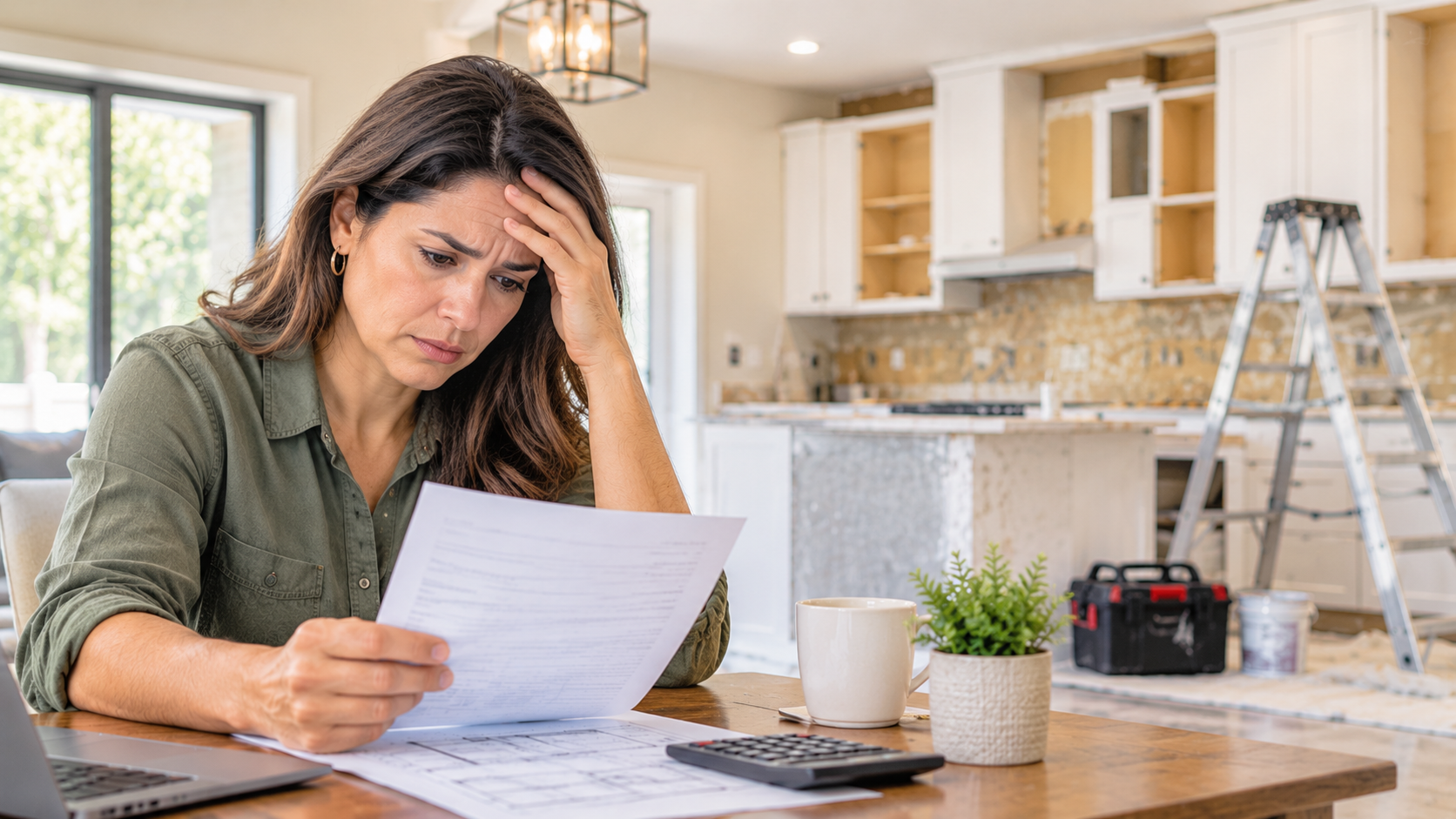
Renovating your home can feel like a smart way to increase its value before selling. You might think a modern kitchen, a luxury bathroom, new floors, or a complete home makeover helps you earn a higher price.
But here’s the twist. Expensive renovations do not always lead to a higher sale price.
A home renovation may fail to increase market value when the cost of the work is greater than what buyers are willing to pay for the improvements. The result depends on your home’s location, condition, asking price, and the features buyers expect in that market.
For homeowners in South Florida, this is an important point to consider before starting a major project. Renovation costs can add up quickly, and buyer preferences may differ between Fort Lauderdale, Coral Springs, Plantation, Boca Raton, and other local communities.
Here’s why some renovations pay off while others do not.
1. The Renovation Costs More Than Buyers Will Pay
One of the main reasons an expensive renovation fails to increase market value is simple: buyers may not value the improvements as much as the owner does.
For example, imagine you spend $60,000 on a luxury kitchen. You may expect the home’s value to rise by the same amount. However, buyers may only be willing to pay $25,000 more for a home with that kitchen compared with a similar property without the upgrade.
In this example, the renovation adds appeal, but the added value does not cover the full cost.
This does not mean the renovation was poorly done. It means the market sets the price, not the amount spent on the project.
Before starting a major upgrade, compare its expected cost with recent sales of similar homes. A local real estate professional can help you understand what buyers in your price range are likely to value.
2. The Home Becomes Too Expensive for the Neighborhood
Your home’s location plays a major role in its market value.
A high-end renovation may make sense in an area where buyers expect luxury finishes. The same project may be harder to justify in a neighborhood where most homes sell at lower prices.
For example, installing costly custom cabinets, imported stone, and premium appliances may not produce the expected return if nearby homes have simpler kitchens and sell for much less.
This is sometimes called “over-improving” a property.
The problem is not necessarily the quality of the work. It is the gap between what you spent and what buyers in that neighborhood are willing to pay.
Before renovating, look at comparable homes that have recently sold. Pay attention to their size, condition, features, and sale prices. This can help you decide whether a major upgrade fits the local market.
3. You Focus on Personal Taste Instead of Buyer Demand
Homeowners often renovate based on what they like. That is understandable when you plan to live in your property for many years.
But when you are preparing to sell, your personal preferences may not match those of potential buyers.
For example, you may love bold wall colors, custom built-ins, unusual tile patterns, or a highly personalized entertainment room. Some buyers may appreciate these features, while others may prefer a simpler design.
Highly specific upgrades can also limit how buyers picture themselves using a space.
If selling is your main goal, consider neutral finishes, practical layouts, good lighting, and features that suit the type of home and its likely buyers.
You do not need to remove every unique detail. The key is to avoid spending heavily on personal choices that may not appeal to a wide group of buyers.
4. An Expensive Renovation May Not Match Local Buyer Expectations
Buyers compare your home with other properties they can afford. If competing homes offer similar features at a lower price, your renovation may not give you the advantage you expected.
For example, a luxury bathroom may look impressive, but buyers may care more about a sound roof, working air conditioning, and manageable insurance costs.
In South Florida, property condition can affect more than appearance. Roof age, storm protection, moisture issues, and the condition of major systems may influence a buyer’s decision and their ability to obtain insurance.
Before investing in luxury finishes, make sure the home’s basic condition and maintenance needs are addressed.
5. The Renovation Delays Your Sale
Renovations can take longer than expected. Materials may arrive late, contractors may face scheduling problems, and unexpected issues may appear once work begins.
While the project continues, you may still need to pay your mortgage, property taxes, insurance, utilities, and other expenses.
These holding costs can reduce the financial benefit of a higher sale price.
If you plan to sell soon, ask your real estate agent whether a smaller update or a sale in the home’s current condition makes more sense. The right choice depends on the home’s condition, the local market, and your timeline.
6. Your Renovation May Not Show Its Full Value in an Appraisal
A home appraisal estimates a property’s market value based on evidence such as comparable sales, location, size, condition, and features.
It does not simply add up the money you spent on improvements.
For example, a homeowner in Fort Lauderdale might spend $80,000 on a new kitchen. If similar homes with updated kitchens sell for only $30,000 more than comparable homes with older kitchens, the renovation may not add its full cost to the appraised value.
This is an example, not an appraisal estimate for a specific property. The key point is that renovation cost and market value are two different things.
Keep copies of contractor invoices, permits, warranties, and before-and-after photos. These records can help document the work completed, although they do not guarantee a higher appraisal.
7. You Choose Trendy Features That May Not Appeal to Everyone
Design trends change, and a feature that looks modern today may not appeal to every buyer later.
Highly personal tile patterns, unusual colors, and custom layouts can make a home stand out, but they may also narrow its appeal.
If you plan to sell soon, consider timeless finishes and practical designs. Neutral paint, good lighting, functional kitchens, and clean outdoor spaces can help buyers focus on the home rather than the cost of changing its style.
How The Homeowner’s Agent Can Help You Make Smarter Renovation Decisions
Before spending thousands of dollars on a renovation, it helps to understand how your property fits into the South Florida market.
The Homeowner’s Agent provides residential real estate services for homeowners, buyers, and investors across South Florida. Founded by Katie Lemieux and Seana Abdelmajid, the team emphasizes consumer education and helping clients make informed real estate decisions.
Before listing, The Homeowner’s Agent can help you compare your home with similar properties, identify features buyers may value, and consider whether selected improvements make financial sense.
Frequently Asked Questions
1. Can an expensive renovation lower my home’s market value?
It can make the property harder to sell at the price you want if the design limits buyer interest or the total cost pushes the home beyond what similar properties can support. However, an expensive renovation does not automatically lower market value.
2. Do kitchen and bathroom renovations always increase home value?
No. These renovations may improve buyer appeal, but the added market value can be lower than the project cost. Results depend on the home’s price range, quality of work, and local buyer demand.
3. Should I renovate before selling my South Florida home?
Not necessarily. Start by reviewing your home’s condition and comparing it with similar properties. Small updates or necessary repairs may be enough, while a major renovation may not be worth the time and expense.
4. How can I tell whether a renovation is worth the cost?
Get contractor estimates and ask a local real estate agent to review comparable sales. Compare the likely sale price with and without the improvement, including the cost of the work and any extra time needed before listing.
The Final Takeaway
An expensive renovation can make your home more attractive, but it does not guarantee a higher market value or a better financial result.
The most common problems include spending beyond neighborhood expectations, choosing personal designs that limit buyer interest, overlooking more important repairs, and assuming the market will repay every dollar spent.
Before starting a major project, review local comparable sales, set a clear budget, and focus on improvements that fit your home’s condition and likely buyers.
The goal is not to create the most expensive home on the block. It is to make smart choices that support your property’s market position and your financial goals.
If you are planning to sell in South Florida, The Homeowner’s Agent can help you learn about your options and prepare a selling strategy based on your property and local market conditions.
Connect with the team today.
This article provides general real estate information and is not financial, tax, legal, appraisal, or construction advice. Renovation costs and potential returns vary by property and market conditions. Consult qualified real estate professionals, licensed contractors, and appraisers where appropriate before making major renovation decisions.