
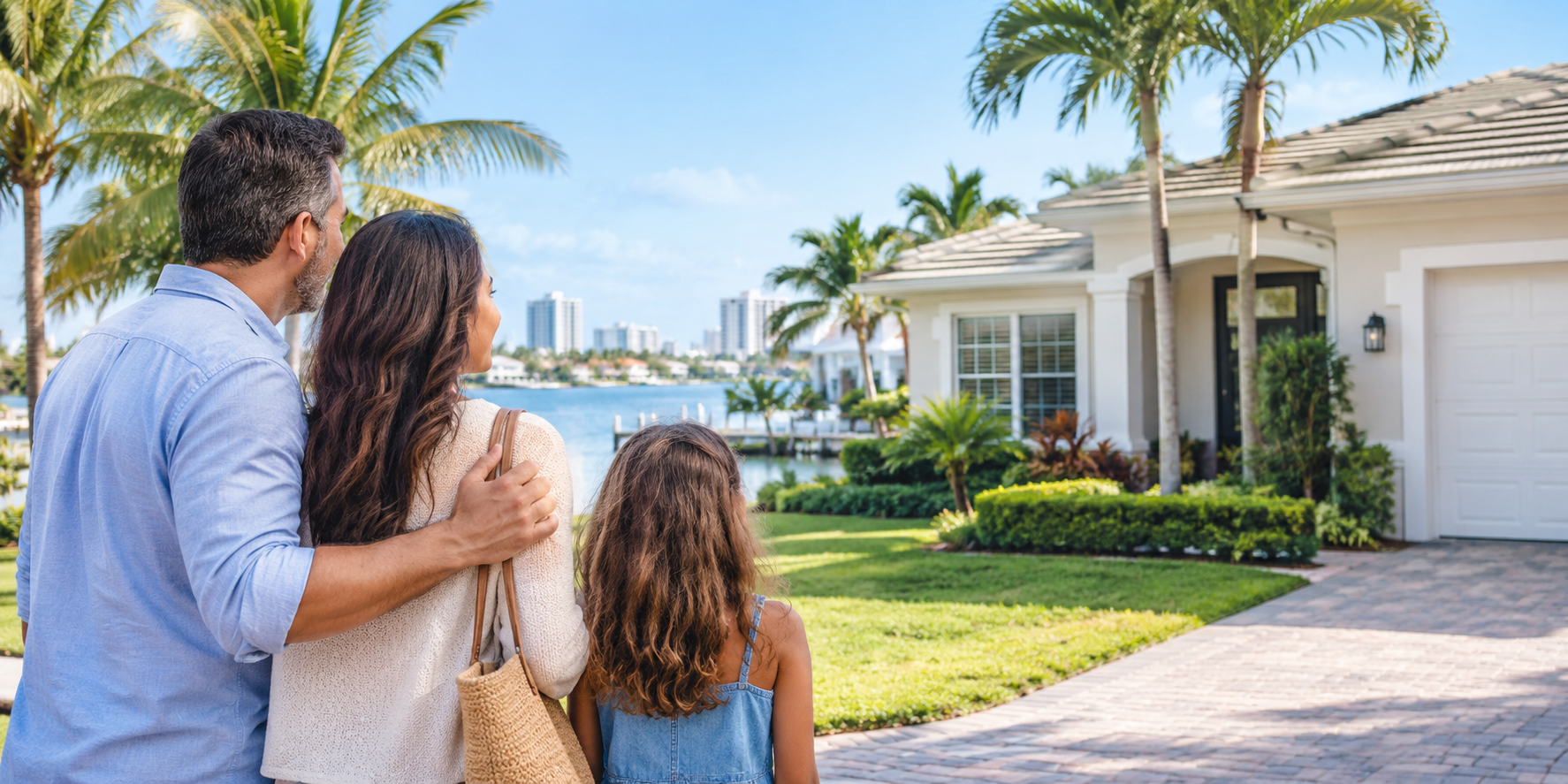
Finding a home in South Florida is about more than finding a house you like. You also need a location that fits your daily life and a price that works for your budget. South Florida offers many different types of communities, from busy coastal cities to quieter suburban neighborhoods. Your ideal home may look very different from someone else’s.
The key is to decide how you want to live, what you can comfortably afford, and which features matter most before you start making offers. This can help you narrow your search and avoid spending time on homes that do not fit your needs.
This guide explains how homebuyers can find the right place in South Florida.
1. Start with Your Real Budget
The first step is not to browse listings. It is to understand what you can afford.
Your home budget should include more than the mortgage payment. When buying in South Florida, also consider:
- Property taxes
- Homeowners insurance
- Flood insurance when applicable
- HOA or condo fees
- Utilities
- Maintenance
- Repairs
- Closing costs
- Moving expenses
This matters because two homes with the same purchase price can have very different monthly costs.
For example, a condo may have a lower purchase price than a single-family home but come with a significant monthly association fee. A larger home may have more space but also higher insurance, utility, and maintenance costs.
Before you start seriously shopping, speak with a lender about your financing options and get a clear idea of your expected monthly payment.
Also leave room in your budget for unexpected costs. A home should fit your life without making every month financially stressful.
2. Think About Your Lifestyle First
Ask yourself a simple question:
What do I want my everyday life to look like?
Do you want to walk to restaurants and shops? Would you rather have a quiet neighborhood with a larger yard? Is being close to the beach important? Do you need an easy commute? Are parks, schools, or outdoor activities important to your family?
Your answers can help narrow down communities.
South Florida comprises areas such as Boca Raton, Boynton Beach, Coconut Creek, Cooper City, Coral Springs, Davie, Deerfield Beach, Delray Beach, Fort Lauderdale, Hollywood, Miami, Parkland, Pembroke Pines, Plantation, Pompano Beach, Sunrise, and Weston.
These communities do not all offer the same lifestyle. That is why choosing the location first can be just as important as choosing the house.
3. Choose the Right South Florida Community
1. For Coastal Living
If you want easy access to beaches and a more coastal lifestyle, places such as Fort Lauderdale, Hollywood, Deerfield Beach, Delray Beach, and Boca Raton may be worth exploring.
Fort Lauderdale, for example, is known for its beaches and waterways, while Hollywood offers a coastal setting between Miami and Fort Lauderdale.
Coastal living can be appealing, but remember to look beyond the view. Ask about insurance costs, flood risk, parking, maintenance, and the property’s exposure to weather.
2. For Suburban Living
If you prefer more space and a quieter neighborhood, consider suburban communities such as Coral Springs, Parkland, Weston, Cooper City, Pembroke Pines, Plantation, or Sunrise.
For example, Parkland is a suburban community with a rural feel, while Cooper City is known for its residential setting and family-oriented atmosphere.
A suburban home may offer more yard space, larger floor plans, and neighborhood amenities. However, you may need to drive more often for work, shopping, dining, and entertainment.
3. For Urban Living
If you want restaurants, entertainment, employment centers, and a more active environment nearby, Miami and Fort Lauderdale may be more suitable.
Urban areas can offer condos, townhomes, and single-family homes, giving buyers different ways to live in the same general market.
The important thing is to match the location with your daily routine rather than choosing a city simply because it is popular.
4. Decide What Type of Home You Need
Once you have a few locations in mind, think about the property itself.
1. Single-Family Home
A single-family home may be a good fit if you want:
- More privacy
- A yard
- More control over renovations
- Extra storage
- Space for children or pets
But you will usually be responsible for more maintenance.
2. Condo
A condo may appeal to buyers who want less exterior maintenance or prefer a building with shared amenities.
However, buyers should carefully review HOA fees, rules, reserves, insurance responsibilities, and the building’s financial and physical condition before buying.
3. Townhome
A townhome can provide a middle ground between a condo and a detached house. You may get more living space than a typical condo while still having shared community maintenance.
The right choice depends on how you want to use your home and how much maintenance you want to handle yourself.
5. Separate Your Needs from Your Wants
A home search becomes easier when you create two lists.
Your Must-Haves
These are features you cannot easily compromise on.
For example:
- A certain number of bedrooms
- A specific school area
- One-story living
- A home office
- A garage
- Pet-friendly rules
- A short commute
Your Nice-To-Haves
These are features you would enjoy but could live without.
They might include:
- A pool
- Updated kitchen
- Walk-in closet
- Waterfront view
- Large backyard
- Outdoor kitchen
- Extra guest room
This distinction matters because no home may have everything on your list.
Knowing which features truly matter can help you make a practical decision when you find a property that meets most of your important needs.
6. Think About Your Commute
A beautiful home can become frustrating if it adds too much time to your daily commute.
Before making an offer, test the drive during the times you normally travel.
Think about:
- Work
- School
- Childcare
- Family
- Medical appointments
- Shopping
- Airports
- Recreation
Also consider whether your work schedule could change.
A location that works perfectly today may become difficult if you change jobs or your family needs change.
7. Consider Future Needs
Buying a home is a major financial decision, so think beyond the next year. Here are some important factors to consider.
- If you plan to have children, will you need another bedroom?
- If you are approaching retirement, would you prefer a single-story home?
- If you work from home, do you need a dedicated office?
- If you expect aging parents to move in, could the home accommodate them?
A home that fits your current lifestyle is important. But a home that can also adapt to reasonable future changes may give you more flexibility.
8. Look Beyond the Listing Photos
Photos can help you create a shortlist, but they do not tell the whole story.
When visiting a home, pay attention to things such as:
- Noise levels
- Natural light
- Storage
- Parking
- Street traffic
- Nearby construction
- Property condition
- Signs of water intrusion
- Roof age
- Air-conditioning system
- Windows and doors
- Landscaping
- Neighborhood condition
For condos and townhomes, look beyond the individual unit. The condition and finances of the wider building or community can also affect your ownership experience.
A home inspection can provide another layer of information after you are under contract.
9. Understand South Florida’s Extra Costs
South Florida buyers need to think carefully about insurance and weather-related risks.
Homeowners insurance costs can vary based on the property’s location, age, construction, roof, claims history, coverage, and other factors. Flood insurance is a separate consideration and may be required by a lender in certain circumstances.
Do not wait until after you have found your dream home to learn what insurance may cost.
Get an insurance estimate early in your search.
The same applies to HOA or condo fees. Ask what the monthly fee covers and whether there are additional assessments or community expenses.
These costs can change the amount you are comfortable spending on the home itself.
10. Look at the South Florida Market Carefully
Market conditions can vary between communities and property types.
Recent 2026 South Florida market data shows differences between Miami-Dade, Broward, and Palm Beach counties and between single-family homes and condos or townhomes. For example,August 2026 data reported median single-family sale prices of about $679,000 in Miami-Dade, $655,500 in Broward, and $700,000 in Palm Beach County, while median condo and townhome prices were lower in each of those counties.
These numbers are regional snapshots, not a value estimate for an individual home. Prices can vary significantly by city, neighborhood, property condition, size, and other factors.
This is why working with someone who knows the specific communities you are considering can be useful.
11. Work with a Local South Florida Real Estate Team
Buying from outside the area can make the process even harder because you may not know the differences between individual neighborhoods.
A local agent can help you compare communities, understand local listings, schedule showings, and navigate the purchase process. This is why many South Florida homebuyers trust The Homeowner’s Agent.
This team helps buyers identify areas that fit their needs and find homes close to important parts of their lives, such as work, school, family, and favorite locations. It also assists buyers throughout the process from the initial search through closing.
Founded by Katie Lemieux and Seana Abdelmajid,The Homeowner’s Agent has been providing residential real estate services in South Florida since 2015 and works with buyers, sellers, and investors.
Its community coverage includes many different South Florida markets, which can help buyers compare locations rather than limiting their search to one neighborhood too early.
A Simple Home-Buying Checklist
Before you make an offer on a South Florida property, ask yourself:
- Can I comfortably afford the total monthly cost?
- Does the location fit my everyday lifestyle?
- Is the commute reasonable?
- Does the home have my must-have features?
- Have I checked insurance costs?
- Have I reviewed HOA or condo fees and rules?
- Have I considered future needs?
- Have I looked at comparable homes and recent sales?
- Have I had the property professionally inspected when appropriate?
- Have I spoken with the right professionals about financing and closing costs?
If the answer to most of these questions is yes, you are in a much better position to make an informed decision.
The Final Verdict
Finding the right South Florida home starts with finding the right fit, not simply finding the biggest or most attractive house you can afford.
Set a realistic budget. Decide which features are essential. Compare communities based on your lifestyle. Look at the full cost of ownership, including insurance, taxes, HOA fees, maintenance, and repairs. Most importantly, take time to understand the property and neighborhood before making a major financial commitment.
The Homeowner’s Agent can help you explore every option and navigate the buying process from your first search through closing. With local knowledge and an education-focused approach, the team can help you compare communities and properties based on what matters to you, your lifestyle, and your budget.
Connect with the team today.
Frequently Asked Questions
1. What is the best place to live in South Florida?
There is no single best community for every buyer. The right location depends on your budget, commute, preferred lifestyle, home type, schools, amenities, and other personal needs. South Florida offers coastal, suburban, and urban communities with different features.
2. How much money should I budget for a South Florida home?
Your budget should include more than the purchase price and mortgage. Also account for property taxes, insurance, HOA or condo fees, utilities, maintenance, closing costs, and potential repairs.
3. Should I buy a condo or a single-family home?
It depends on your lifestyle and budget. Condos may offer less exterior maintenance, while single-family homes can provide more privacy and control. Compare the total costs and responsibilities before deciding.
4. How do I choose between South Florida neighborhoods?
Start with your daily routine. Consider your work commute, schools, family, preferred activities, beach access, shopping, transportation, and the type of neighborhood where you feel comfortable.
5. Should I get pre-approved before looking at homes?
Getting pre-approved can help you understand your borrowing range and show sellers that you are prepared to buy. Speak with a qualified lender about your specific financial situation.
This article provides general real estate information and is not financial, legal, tax, insurance, or mortgage advice. Costs and market conditions can vary by property and location, so buyers should consult qualified real estate professionals before making a real estate decision.